
Role of Influencers in Brand Advocacy
The best way to gain a person’s trust is to show you truly understand who they are and what it is that they’re experiencing.
5 reasons why influencer marketing campaign strategies don’t always work and how to avoid them
In today’s dynamic marketing environment, where digital marketing is gaining importance more than ever, brands must keep up with trends, connect and maintain their audience reach, and evolve altogether.
Brands that prove Influencer Marketing was their secret to success
The celebrity culture in India isn’t halting at any point in the near future and online media influencers in India have now acquired this title.
How to find the right type of influencers to create a loyal customer base
Marketers see how lucrative influencer marketing can be to a brand – when it’s done correctly. 63% of marketers intend to increase their influencer marketing budget in the next year, making it essential to understand how to choose the right influencer for long-term impact.
There are plenty of options available for brands planning to start influencer marketing campaigns. On Instagram alone, there are more than 500,000 active influencers, among whom 81% have followers between 15,000 and 100,000 users. This makes knowing how to choose the influencer even more critical.
An all-around coordinated influencer can build a true and faithful relationship with a brand that is significantly more remarkable according to buyers. Realizing how to find influencers and how to choose the right influencer has a significant effect on campaign success.
This article will explore finding the right influencers for your brand and highlight the important points to keep in mind before collaborating.
How to Choose the Right Influencer
Working with an influencer accompanies its own arrangement of dangers and prizes. Since influencers have their own brands to consider, they will conclude how to depict your image’s message on their feeds. That is the reason it’s imperative to guarantee whoever you work with wholeheartedly puts stock in your image’s qualities and will genuinely address your image to their supporters, which is a key part of how to choose the influencer.
On the off chance that your image is put resources into variety and incorporation, for instance, in a perfect world, your influencers’ informing ought to likewise advance those equivalent qualities. Also, in case you’re a dress brand that qualities revolutionary straightforwardness, you’ll probably need to work with an influencer who is keen on the assembling cycle and how things are valued.
To guarantee this arrangement, set aside the effort to audit your association’s central goal and qualities before beginning your pursuit. Scribble down the qualities that are generally critical to your image and how they appear in your image’s social informing and substance. At that point slender down and target influencers similar as how you would do while focusing on potential clients utilizing this data. Make an ideal influencer persona, in the event that it helps, and influence apparatuses like web-based media checking and tuning in to help you limited down your alternatives, a process often guided by an influencer marketing agency in Delhi.
Realising how to choose the influencer for your image is the distinction between guaranteeing your promoting joint effort nails the finish and a mission that flops with your crowd. While you can’t handle each post an influencer will make once you begin cooperating, you can find out about what’s in store by taking a look at how they currently utilise social media. With your waitlist of potential partners convenient, you can begin to dive into the social measurements to track down the privileged influencer for your speciality.
Social Media Metrics To Keep Note Of
1. Meaningful Content
The primary spot to look past follower size is the genuine substance an influencer is sharing. Look through each influencer’s feed to understand whether their content aligns with your brand and supports your decision on how to choose the influencer. Does their substance move discussion? Do they actively engage with their audience?
What you’re searching for is a feeling that the influencer’s substance lines up with your image’s qualities as well as really appreciate maintaining those qualities and bond with their crowd over them.
2. Credibility
While investigating an influencer’s substance and comments thread, you can likewise get a feeling of their authority and trustworthiness. Checking followers, engagement, authenticity, and industry relevance is essential, especially in social media marketing in Delhi, where competition is high.
3. Relevant Engagement
It is necessary to look beyond likes on popular posts. Evaluate engagement on content relevant to your niche. This helps ensure that your influencer’s audience genuinely resonates with your brand, reinforcing the importance of how to choose the influencer.
4. Audience
The objective in working with an influencer ought to be to additionally extend your customer base, so search for influencers whose supporters will be open to studying your image.
Dive into the comments on an influencer’s new posts to get a feeling of how their crowd responds to marked substance and what sort of local area they’re building.
That being said, don’t ignore an influencer who sets aside the effort to oversee supporters by pruning unconstructive remarks and tending to legitimate analysis. You can likewise check an influencer’s future reach by watching to see whether their crowd and commitment are developing or have leveled over the long run. On the off chance that you notice a respite or even a plunge in development and commitment, you might need to reexamine or address what elements might be adding to these battles.
After you have found your perfect Influencer, it is not yet enough. It is necessary to form Influencer marketing campaigns that reach your audience and stay in their mind.
If you are not sure how to create a perfect influencer marketing campaign, SavvyTree — a trusted influencer marketing agency in Delhi offering social media marketing in Delhi — can help you formulate, strategise, and execute your ideal campaign.
Contact us for a free consultation.
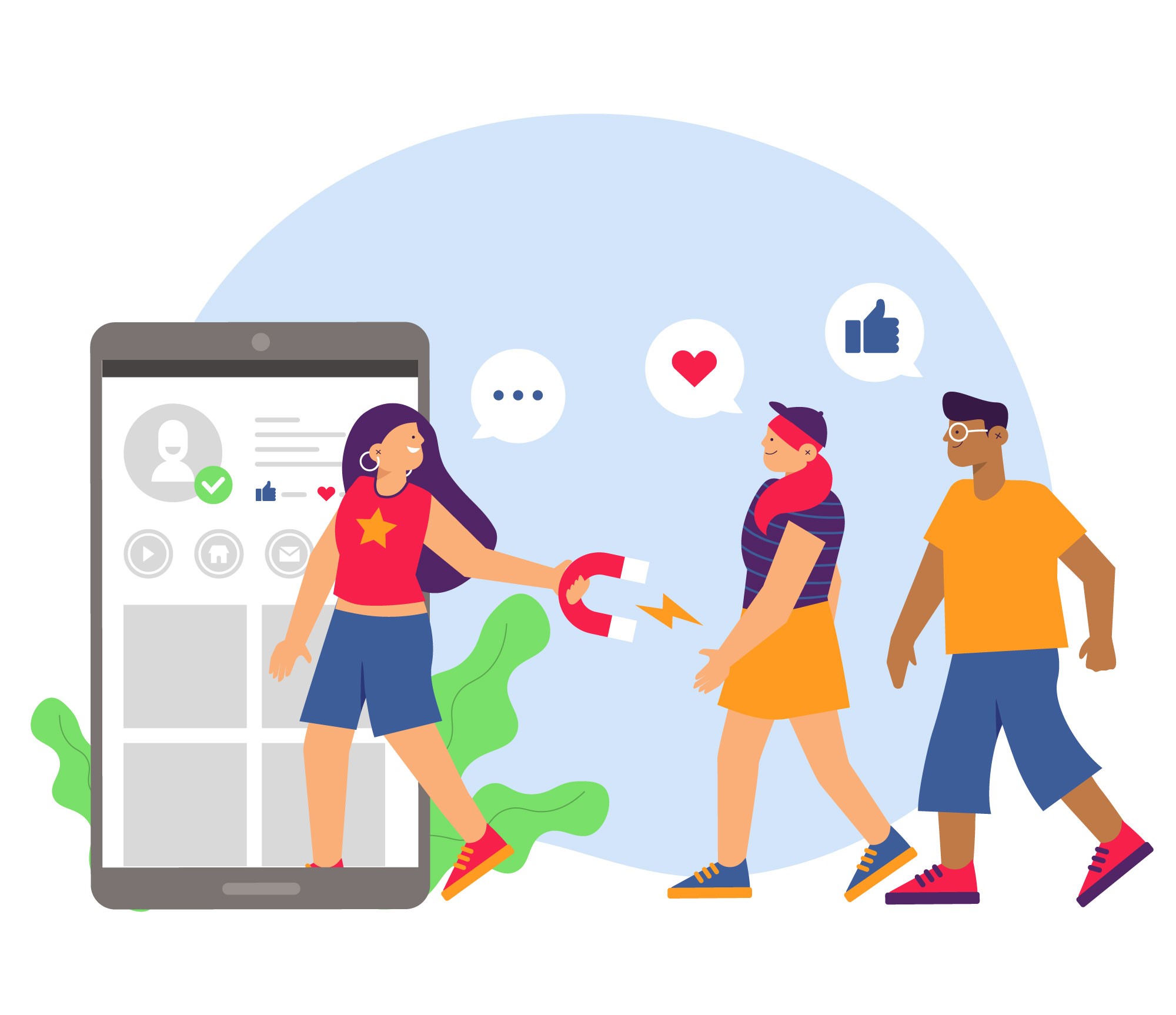
Influencer marketing and its future roadmap in India
Influencer marketing has collected a good deal of interest within the course of the foremost recent number of years. Indeed, over the recent three years, the quantity of Google searches for “influencer marketing” has expanded by 1500%. This shows that the eventual fate of influencer showcasing is ready with promising opportunities.
Increasing Trend of Influencer Marketing
According to a study by Influencer Marketing Hub, the Influencer Marketing Industry is set to grow to approximately $13.8 billion in 2021.
The global COVID-19 pandemic has posed a great opportunity for brands and influencers to engage with their audiences with impactful messaging. The importance of influencer marketing as a core marketing strategy has grown during the COVID-19 crisis.
There is a continuous shift of consumers towards OTT and social media. However, due to a decentralized consumer base, organizations cannot target their potential consumers through traditional marketing techniques. Therefore, they are moving toward influencer marketing for brands that enables them to target potential buyers.
Influencers can build relationships with customers by engaging with them and directly communicating with them. It is a fact that consumers’ demand is based on product authenticity and reliable products and services. Therefore, when a product is promoted by an influencer they trust, it automatically convinces them to look for the product and as a result, makes the consumer trust in the brand too. This is why influencer marketing in India has gained massive traction.
Famous Brands using Influencer Marketing
There are many influencer marketing examples from famous brands that use this strategy to build their consumers and increase their sales.
Adidas
 Adidas, for example, is one of the most famous brands using influencer marketing for brands to promote their products. Adidas got in touch with influencers to increase their reach on social media. They wanted to focus on a younger audience, so they chose to do an Instagram influencer marketing campaign. That worked well because nearly 70% of Instagram users are aged below 35. They collaborated with influencers like Iga Wysocka and Selena Gomez and introduced the #MyNeoShoot contest.
Zara

Zara is another example of a brand with a successful influencer marketing India campaign. Zara wanted to highlight their latest products by showcasing them in a way that would appeal to their target audience. Their Instagram posts usually resemble photos from the pages of a fashion catalog, which people can look to for ideas and tips on what’s trending in the fashion industry. By collaborating with influencers, they were able to give the impression that their products were more accessible than high-fashion clothing.
Also Read: How to get started with Instagram Marketing Strategies
Brands established through influencer marketing
Influencer marketing not only helps established brands but has also been helpful to brands who are yet to establish themselves.
Danielle Wellington
Danielle Wellington has become successful and made a $200 billion business just because of influencer marketing examples. The brand started with micro-influencers but is now being promoted by celebrities like Hailey Bieber. The company’s reach and influencer marketing are absolutely commendable with Instagram followers of 4.9 million.
Ipsy
Partnering with creators on YouTube and Instagram has been part of Ipsy’s strategy from the very beginning. To gain a moderately higher commitment rate, Ipsy has been collaborating with more micro-influencers and practicing their parts to cater to diverse client needs. They try to build a community of influencers by conducting various programs like ‘Creators Day’ to gather influencers together. This sort of occasion causes influencers to feel associated with the brand, blend and exchange data, and make showcasing content about Ipsy that truly close up.
The most common measure of influencer marketing success is conversions/sales. These companies are a showcase of how influencer marketing is helpful to them and has definitely increased their sales, brand reach as well as brand credibility. It is helpful for all kinds of businesses whether it is new like Danielle Wellington or Ipsy that have established themselves because of influencer marketing or already established famous brands like Zara and Adidas who have promoted their product and increased customer reach because of influencer marketing.
Problems because of massive growth
The influencer marketing technique has been growing immensely since 2016, as consumers have shifted from TV to social media and other OTT channels. Therefore, organizations are competing with each other to engage with authentic and effective influencers for promoting their products and enhancing sales. The growing competition has increased the demand for micro and macro-influencers. However, with the growing competition, identifying authentic influencers with a large number of followers has become the biggest challenge for brands and organizations. Many influencers use fake followers through bots to show their popularity and attract big brands. Therefore, brands must be careful of such fraud and protect themselves from the same.
The brands have diversified influencer marketing strategies by implementing various types of organic and inorganic growth strategies, such as new product launches, product upgrades, partnerships and agreements, business expansions, and mergers and acquisitions to strengthen their offerings in the market. Companies must continue to depend on influencers to act as their spokespeople and execute their messaging in a trustworthy and human way.
Finding influencers remains the most significant challenge for those running campaigns in-house, but there are agencies like Savvytree where we will clear this obstacle for you and connect you with suitable influencers for your brand. We will take care of everything from idea generation to implementation and analysis.
Book your free consultation now.
Go Digital With SavvyTree

How to get started with Instagram Marketing Strategies
Instagram is beginning to be a jackpot for businesses over time. Brands are doing a great job in promoting their business by incorporating Instagram into their marketing plans. It helps in getting close to your target market, personifying your content, and building customer relations. But it might not be as easy as it sounds. If keeping up with Instagram is not very simple for you, we have got you covered. Below, we have segregated points to give you perfect Instagram marketing strategies that will make creating Instagram strategies effortless.
First, let us briefly know why Instagram marketing strategies are so important.
You can reach a lot of people on Instagram:
Instagram has over 700 million monthly users and therefore has a huge potential audience for businesses. The use of relevant hashtags that your target audience might search, will help in increasing your reach. You can also create targeted ads to reach even more potential customers if you’re willing to invest a little time and set aside some budget. This is why knowing how to do marketing on Instagram effectively is key to expanding your brand’s reach.
It’s the perfect opportunity to engage with your community
Instagram has the highest level of engagement amongst all major social media platforms, like Facebook and Twitter. You can follow people who talk about your brand and interact with them. Making connections and real engagement will get you real and loyal customers. This also shows why Instagram marketing for business is a must-have in today’s digital-first world.
Bundle of useful feedback and insights
Engaging directly with customers will help you get useful feedback and true insights about the positioning of your brand in customers’ minds. People will use social media to talk about the products and services offered by you. They share pictures and videos of products and comment on each other’s posts. This feedback is very important and cannot be ignored.
Great for keeping up with competitors
Instagram can be used to follow the activity of your competitors and analyse the way they interact with their community. It is essential to understand their strategies, the contests they are running, and the content they are putting up to improve your Instagram marketing strategy.
Instagram Marketing Strategies for Effective Campaigns
Here is a list of points you must take into consideration for forming a marketing strategy that will help you make a difference!
Defining your Instagram marketing goals
Your goals will determine everything from your content strategy to how much time you spend on the platform. You must know exactly why you are on Instagram. Without having definite goals, there will be no direction to your Instagram marketing strategies. There is no “right” or single goal you have to commit to, either. That said, your ROI from Instagram boils down to your goals.
For example, beauty brands focus on highlighting their products and showing the ways to use them. We can take the example of sugar. The brand posts a lot about their products, distinguishing between the various shades and showing ways to use them.
Know your target audience
You must know the personality of your target audience to deliver the content they would be interested in. Providing relevant content is very important to maintain and increase your engagement. Don’t compromise on the quality of your posts and messages, and use this platform to bring your audience closer through conversations on shared values and visions. This is why Instagram marketing for business plays such a crucial role.
Run your own Instagram Audit
Running an Instagram Audit means taking a critical look at everything you’ve done on your profile, analyzing it, and then deciding if it’s serving the needs of your business and keeping you on track. Each element of your Instagram profile should feel intentional, including your profile photo, bio, feed, captions, hashtags, and more.
Building content strategy
Instagram is currently offering 6 types of posts: photos, videos, IGTV videos, reels, carousel posts, and shopping posts. Forming a mix of these types to put up relevant content is very important for your strategy. Here’s a segmentation of each of the following:
PHOTO POSTS
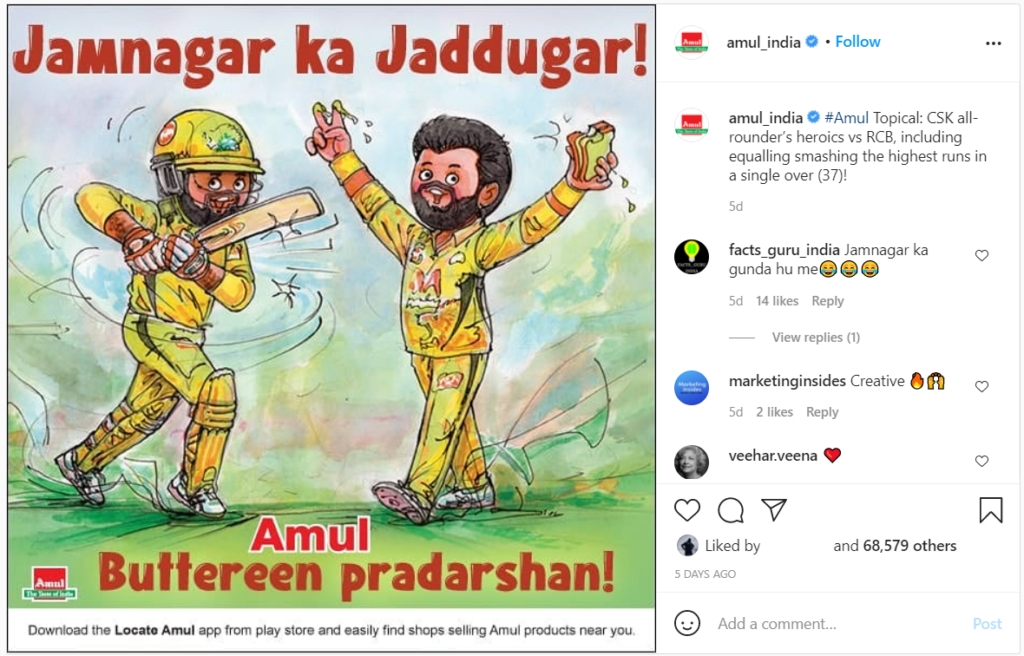
Instagram photo posts continue to be the most popular form of content on Instagram, likely because they’re easy to create and edit, and super versatile. You can share photos in landscape, portrait, or square formats. Photo posts can be very engaging with attractive and innovative content.
Let’s take the example of Amul which is always ready with a post for every topical topic. Like this post below where Jadeja had played very well in IPL 2021.
VIDEO POSTS
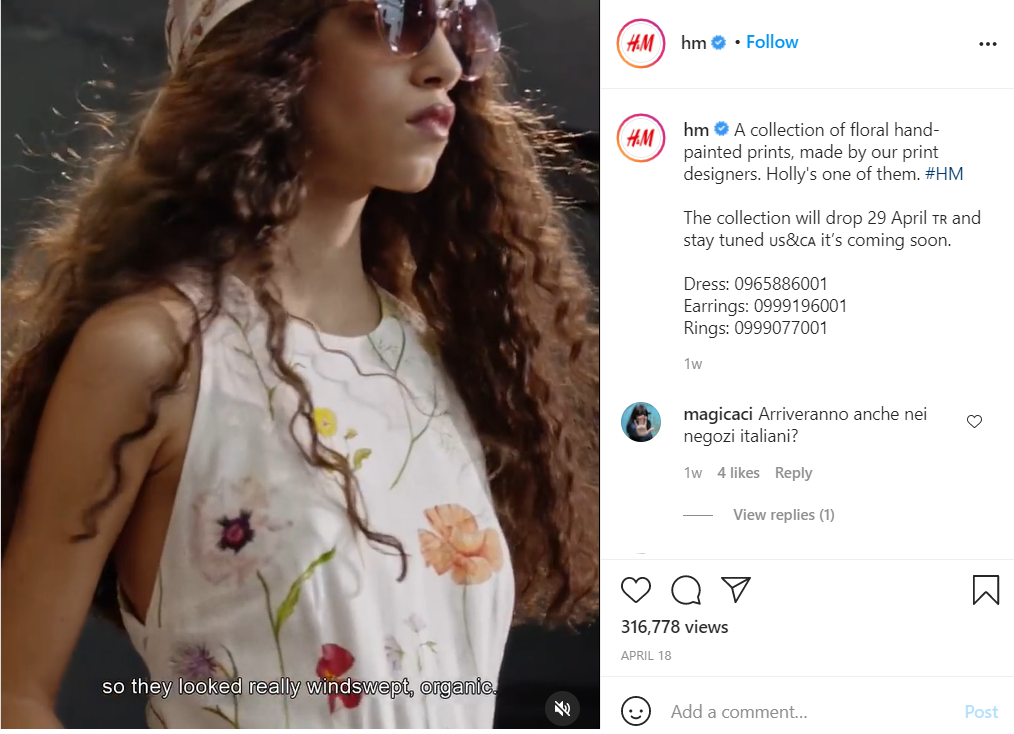
Video posts can be as long as 1 min and contain a ton of engagement. Videos tend to be one of the best formats for driving sales, due to their ability to communicate complex stories. That’s why so many businesses are investing in creating promotional video content.
In the below video H&M is talking about its new floral collection.
IGTV VIDEOS
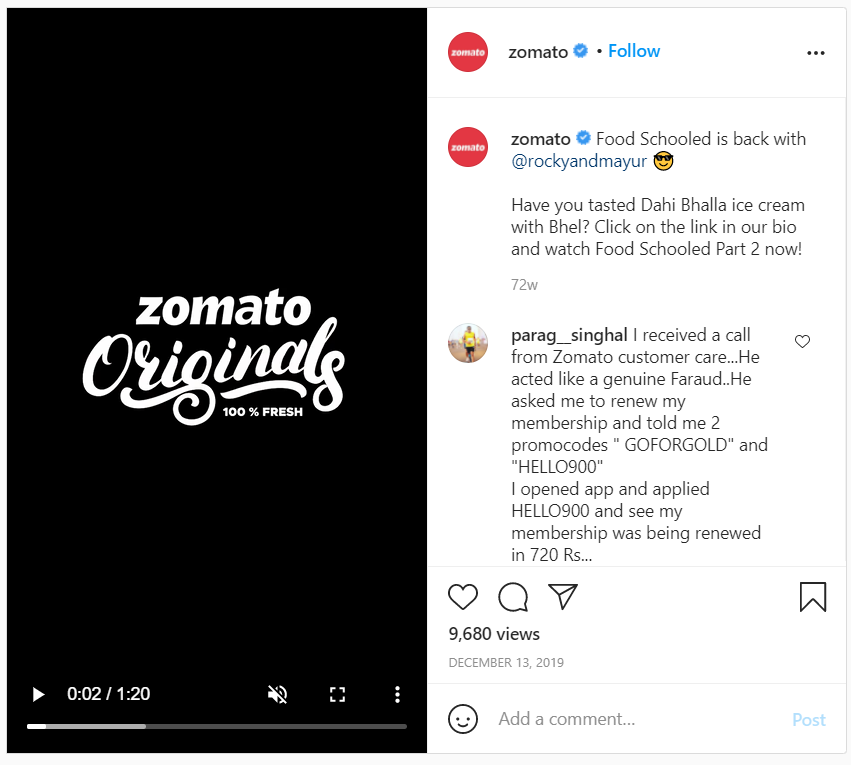
IGTV allows for uploads of up to an hour but it must be noted that people don’t generally engage in such videos if they are not attractive enough. Most people engage only for 15 to 20 seconds. So, your IGTV video ideas must be relevant enough for your audience to engage.
Here’s an example of an interesting IGTV video by zomato.
REELS
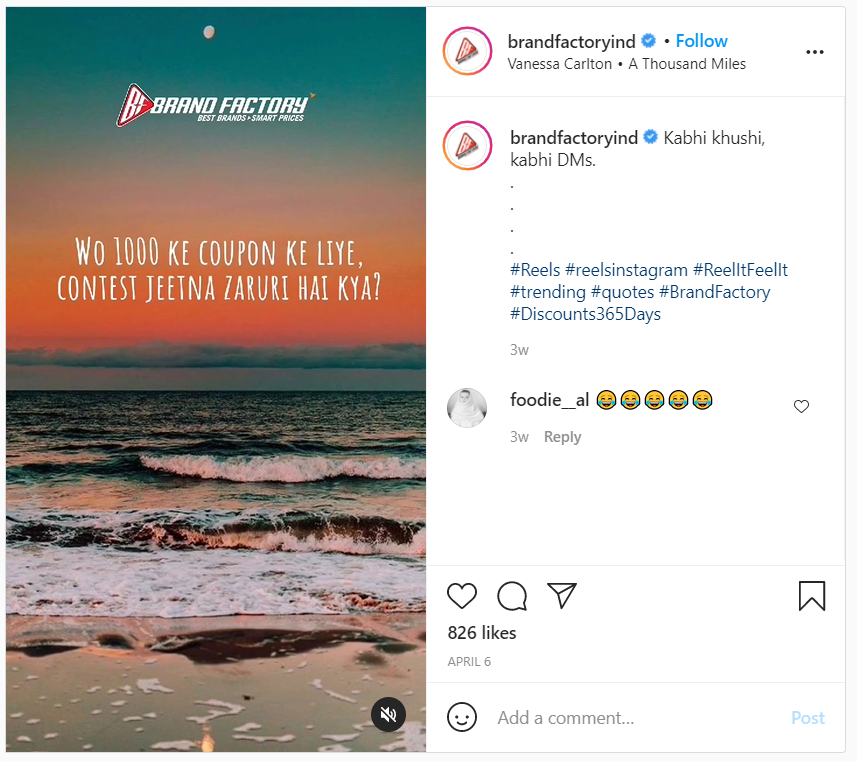
Instagram reels are the most popular post form with engagement reaching peaks. These can be as long as 30 seconds and are rapidly growing. It will benefit you from the amazing reach that Instagram (and its video-preferred algorithm) provides, but it’s also a great opportunity to repurpose your content and make more of an impact than you would on just one platform.
In the below reel brand factory had followed a trending reel which gathered huge reach.
CAROUSEL POSTS
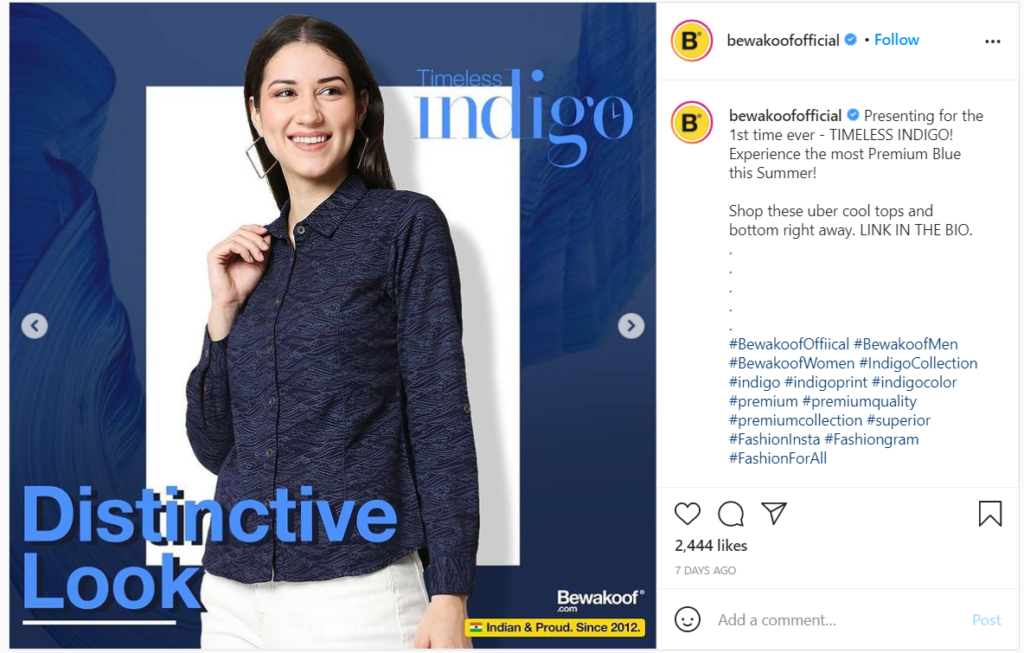
They have become a favorite for businesses that want to promote new product lines or share event photos and videos. This is because like Instagram videos, carousel posts are more versatile than single photo posts. Plus, you can incorporate both photos and videos into your carousel posts, so they’re a great place to get creative. Carousel posts can be shared in the landscape, portrait, or square formats — but you have to stick to just one photo format. They can include between two and 10 photos or videos.
In the post by bewakoof, it introduced its campaign ‘Timeless Indigo’
SHOPPING POSTS
While there are lots of different ways for brands (especially e-commerce brands) to weave sales opportunities into their Instagram marketing strategy, having Instagram shopping posts in your feed is a feature you surely cannot miss. Many brands are using it to their best and the results are truly awesome.
Take for example, Chumbak is actively engaging on social media. Here’s how they use Shopping Posts.

With these Instagram marketing strategies to help you, formulating effective strategies will no longer be a problem. Hope this blog helped in understanding the significance and how to get started.
If you need help with your Social Media Strategy and Management, then SavvyTree is here for you! We can formulate and execute your digital marketing strategies with ease.
Start with Social Media Marketing for your business. Contact SavvyTree for a free consultation.
Never Let a Good Crisis Go To Waste
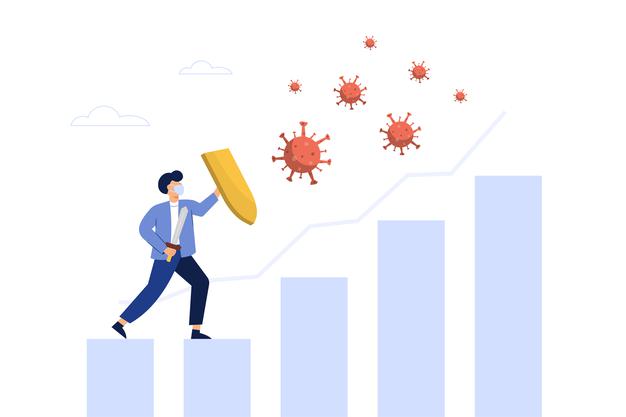
There’s hardly any business that didn’t feel tremors and shocks caused by the pandemic. The lockdowns put in place to curb the spread of Coronavirus caused the Indian economy to contract by 24.4% in the April-June quarter in 2020. However Indian economy reported growth in the December quarter of 0.4 percent after two-quarters of contraction. Majorly impacted were those businesses that were largely dependent on offline channels for sales and marketing campaigns and failed to quickly adapt to the volatile business environment we are in today
As per Nielsen Report on COVID-19’s impact on changing landscape in India, mid to the senior leadership of most organizations, including consumers from 35 to 44 age bracket increased their internet consumption by 11% while millennials observed an average increase of 5-7%. Because of this, some companies which offer their services online have reaped the benefits of an unexpected opportunity that came their way and are now enjoying humongous success. Some online platforms such as online meeting apps, ed-tech firms, gaming apps, e-grocery apps, digital health, pharmacy, and OTT sites saw an incredible increase in demand for their services.
Take the case of “Zoom”, an online video conferencing app founded in the year 2009 by Eric Yuan, took some nine years to get the success of its dreams. All thanks to the pandemic, the video conferencing company ended the year with a net profit of $671 million, up from just $22 million in fiscal 2020. Zoom previously said that usage has grown to 300 million meeting participants each day, up from just 10 million in December. Despite all the controversies it faced, whether it was the privacy concerns raised by the Indian government or everyday news of hackers intruding in public along with video chats and displaying unethical content or the discovery of the term “zoombombing” used when one got bored of Zoom meetings. The response to Zoom as an online meeting app also prompted its competitors such as Microsoft Teams, Google Classroom, GoToMeeting, and TeamViewer to pull up their socks and get ahead in the race. Not only this but its success also paved the way for other businesses in the field, for example, India’s most valuable company Reliance Industries developed an Indian version of it called JioMeet. Zoom’s journey is impressive but not ephemeral.
Just as Zoom, Byju’s which is India’s biggest and most valuable e-learning platform, also experienced the best business of its life during the COVID-19 crisis. Byju’s added a whopping 7.5 million new users on its platform since it started offering free classes to 1.5 billion students who are locked up at home and are studying online. It has witnessed a 150% surge in new students after announcing free classes. In April 2020 alone, the Bengaluru-based firm earned 350 crores despite providing free subscriptions to students all over the country.
“We just finished our best month in April despite being free. We’re expecting to double that [revenue] in the next three to four months, We are fortunate to be in a business that has a positive relevance now. The monetization has improved because this is a clear inflection point. Good companies in the sector will skip a few years in their growth.”
Byju’s co-founder and CEO Byju Raveendran told in an interview with YourStory.
Many more businesses in different fields are also experiencing such out-of-the-blue successes. In April 2021, 10 companies including Meesho, Pharmeasy, Cred, Groww, etc were declared unicorn companies with increased flow of investments. Companies have used social media to achieve new heights in the lockdown. From starting trends to keeping up with them, they have done it all to maintain engagement.
Along with the industries that flourished, the pandemic also led some toward decimation. Temporary suspension of operations of certain businesses either pushed them into bankruptcy or on the verge of it. Some faced losses that they never faced before. Businesses in sectors of aviation, automobile, realty, tourism, and retail are the worst hit by the novel Coronavirus and it will take years for them to get back at pre-COVID levels of sales.
Small businesses, unlike deep-pocketed corporations, found it even more difficult to withstand the adversities caused by the pandemic. At a time when physical sales and face-to-face interactions with customers have been restricted, any traditional business without internet connectivity with customers could lose its momentum and this happened with a majority of small businesses in India where internet literacy still lacks among businessmen. Recently, a report published by credit card bill payment platform CRED showed that e-commerce spending even surpassed pre-COVID-19 levels after the lockdown across Mumbai, Delhi, and Bengaluru as more individuals opted to shop online. This presents an additional challenge to the already struggling small businesses that could not reach out to their customers in any way.
The pain that these businesses felt could have been mitigated if they had a digital presence. Today, when more than half a billion people in India have access to the internet and are spending most of their time online, it is imperative for every business to connect and create a community of its customers online. Not only will this help in increasing customer’s loyalty but it will also give them a sense of inclusion which will create a positive image of the brand in their eyes. Any brand with a strong online presence will never have to worry about reminding its customers of its products. A deep-pocketed right digital marketing strategy will take the brand in front of the right audiences on its own. Today, there are numerous digital marketing agencies in India that can help these businesses in creating awareness and engagement in their target audiences.
SavvyTree, a digital marketing agency itself, can help you reach your business goals by providing your required digital marketing services. Our services like Website Development, Content Marketing,Social Media Marketing, Influencer Marketing, Email Marketing, Online Reputation Management, Creation of Digital Strategies, Branding of your product, Search Engine Optimisation and Pay Per Click. We are a team of young and enthusiastic individuals who know the art of digital marketing.
Contact Us for a free consultation.
Go Digital With SavvyTree.
FutureLearn aims to help everyone fulfill their potential in a changing world, by transforming access to education. Find a new career based on your current skills here:
E-Commerce Marketing Made Simple
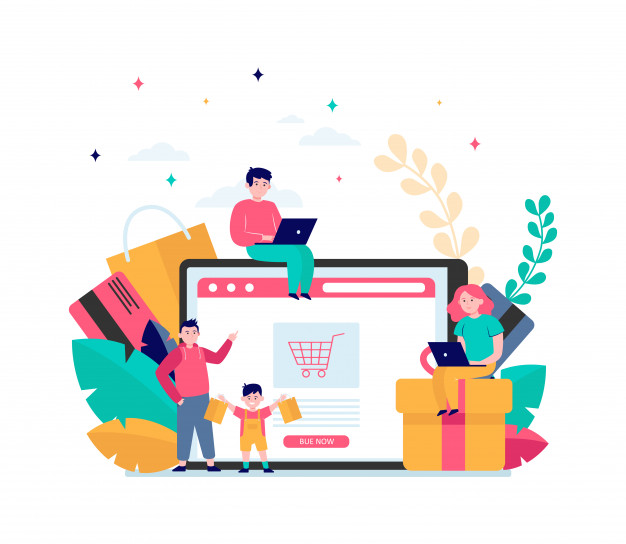
With majorly all purchasing decisions taking place digitally and customers researching their needs online, E-Commerce Marketing has become increasingly significant for your business’s growth. E-Commerce marketing complements your digital marketing strategy. This happens as E-commerce marketing utilizes different digital channels to grow your business. According to SEMrush, there has been a +36% traffic increase across all the E-commerce categories during the COVID- 19 pandemic. Hence, E-Commerce marketing needs to be a part of your business plan. Before we dive into the intricacies of E-Commerce Marketing, let us get our basics right.
What is E-Commerce Marketing?
Ecommerce marketing refers to the act of driving awareness and action towards a business that sells its product or service electronically. Simply put, the products and services offered by your business are being sold online. This can be achieved with a few options like an E-Commerce website or store, enabling/utilizing social commerce or via marketplaces like Amazon and Flipkart. Social commerce can be channeled as well. It is a part of E-Commerce marketing wherein social media platforms are utilized to sell one’s products and services. According to recent reports, 59% of smartphone users favor businesses with mobile sites or apps that enable them to make purchases easily and quickly. With that being said, let’s understand how E-Commerce Marketing can help your business amplify its growth.
Benefits of E-Commerce Marketing:
Enabling E-Commerce Marketing can help your business reach various business goals. Some of them are briefly mentioned below.
- Availability- E-commerce sites make you available 24×7, allowing visitors to browse and shop at any time as per their convenience. Overcome geographical boundaries and be accessible for your customers with an E-Commerce plan. Let your visitors browse product category pages and use the site search feature to find the product immediately.
- Speed of access- E-Commerce provides the ease of operation and enhances the customer experience. Product pages and shopping cart pages load in a few seconds or less. An e-commerce transaction can comprise a few clicks and take less than five minutes.
- International reach- With e-commerce, your business can sell to any customer who can access the web. E-commerce has the potential to extend your business’ customer base globally. Reach a diverse set of audiences with E-commerce marketing.
- Personalization and product recommendations- E-commerce sites can track visitors’ browse, search and purchase history. This can leverage the available data to present useful and personalized product recommendations. This can be seen on Amazon product pages labeled “Frequently bought together” and “Customers who viewed this item also viewed.” that are displayed.
Now, it is time to know different types of E-Commerce Marketing.
Types of E-Commerce Marketing:
- Social Media Marketing: Leverage your social media for business success. Social media channels with shoppable features work really well to persuade customers into taking action. Facebook and Instagram shops are a great way to showcase your product range and help your customers make buying decisions without leaving the platform. Utilising the visuals, it is one of the most popular types of E-Commerce marketing. With each day passing, social media platforms are rolling out features encouraging e-commerce businesses by providing them support and training along with friendly features.
- Content Marketing: Providing informative and relevant content increases customer understanding for your products and services besides improving your ranking on the search engines. This is done with the help of content marketing. By writing relevant blogs, creating FAQ and DIY videos, educate your customers and clarify their doubts related to your products and services.
- Search Engine Marketing: With customers researching for every product online, it is important to be present on the search engines. Search engine marketing helps you reach the right audience in the right place. Ensure that your business is visible on search engines by considering ranking factors that matters. This also includes Pay Per Click and Ad campaigns helping your business stay on the top of results page.
- Email Marketing: Email marketing holds a valuable place when it comes to eCommerce. It is the oldest way of E-Commerce marketing. With automation, successful email campaigns can drive your sales and retarget your customers. It is essential for post-follow purchases, building strong relationship with your customers.
Besides, these Social commerce and Marketplaces can be a part of your strategy as well.
Now that we thoroughly understand what E-Commerce marketing and its benefits is along with the options we have. It is time to get started with your E-Commerce setup.
How to start an E-Commerce website or a store?
In case you are just starting your business, the first two steps are solely for you. For businesses, who have already started their journey but are not able to get desired results, your plan starts from step three.
- Product Research- Your first step is to know the products and services you plan to sell directly to your consumers. Once you finalize your offerings, obtain the products and get ready for the next stage in your journey.
- Research and plan- Evaluate your business idea and plan strategically. Analyze your competitors and learn from their strategies and models as well. Having a roadmap is essential for achieving your goals.
- Setting up the E-Commerce business- Finally, decide the name and logo of your venture, choose the type of E-Commerce marketing suiting your goals and vision. Optimize your E-Commerce applying SEO techniques and decide the sales channel.
- Launching your E-Commerce platform- Prepare for the launch of your E-commerce platform and get started.
- Post-launch- Once you launch it, it is time to market your store and reach out to your potential clients effectively via various channels.
Get, set, grow (online) with SavvyTree. Build your E-commerce website with us. Contact now for a consultation.

Why Branding Matters For Your Business
What makes your business different as compared to the vast number of your competitors in the industry? This very question explains why branding matters for any growing business. The question of what makes you unique is reason enough for getting started with branding for your business. Your business is more than just the products and services you offer to the customers. It comes along with an experience, which keeps your customer loyal and engaged for a considerable period of time, proving that online branding matters in today’s competitive landscape. It is time to turn your business into a recognised brand. Before we dive into how you can start with your branding journey, let us clear the fundamentals of branding.
Brand refers to a feature or set of features that distinguishes one organisation from another. A brand typically comprises a name, tagline, logo or symbol, design, brand voice, and much more. A brand provides an overall experience to the customer when interacting with your business — as a shopper, customer, social media follower, or mere passerby. The association of Coca-Cola with Open Happiness, Maggi with 2 minute mein khushiyan, Have a break, Have a KitKat or Amazon’s Aapki Apni Dukaan reflects why branding matters beyond just products and services. Branding and rebranding help your business provide a memorable and long-lasting experience to your prospective as well as existing customers.
Therefore, branding is nothing but the process of creating your business’s unique identity and helping your customers recognize as well as distinguish it in the marketplace, reinforcing why branding matters for long-term growth. It is the journey of researching and developing your brand’s voice enabling customers to associate your brand with your products and services.
Now that we know what branding is, let us understand the benefits of branding for your business and why branding matters in every industry.
Why should you consider branding for your business?
Customer Awareness:
With so many options and alternatives available in the marketplace, branding helps in educating customers about your business with your distinguishing presence among your competitors. When done correctly, branding allows your business to give a consistent message using your brand voice while informing customers about your offered products and services, showing how online branding matters for visibility.
Customer Recognition:
Once your branding is done correctly, it helps your customers identify your business with the help of your visual identity. Logo, tagline, packaging, consistent colour palette, brand voice and similar elements make it eye-catching and interesting for the customers. Branding, therefore, makes customers recall your brand, highlighting why branding matters in recall and recognition.
Customer Loyalty:
Once your customers start interacting with your brand and buy your products and services, a good brand image and experience make them loyal followers of your brand. This is a strong reason why branding matters for repeat business and long-term engagement.
Customer's Trust:
Did you know 81% of consumers said that they need to be able to trust the brand to buy from them? (source) Therefore, developing a credible image in the minds of customers alongside the industry proves why branding matters in building trust. Airbnb is a strong example of how credibility created through branding normalised an entirely new business concept.
Creating Consistent Brand Image:
With a common philosophy, colour palette, typography, website, and social media posts, branding helps you create a strong and consistent image in front of your customers. It allows them to differentiate and associate your brand visually, which explains why branding matters across markets. McDonald’s is a good example of how consistency builds familiarity and trust worldwide.
With that being said, it is time to turn your business into a brand with SavvyTree, a trusted branding agency in Delhi NCR.
How Can You Create Your Brand?
Decide your target audience-
The golden rule of branding is to understand your audience well. If your brand values do not resonate with customer expectations, it weakens the impact of branding, reinforcing why branding matters when aligned correctly.
Your vision and mission-
Establishing the purpose of your business helps customers understand your philosophy and further shows why branding matters in decision-making.
Defining unique values and features-
Your uniqueness sets your brand apart. Educating customers about what makes your brand special strengthens positioning and explains why branding matters in competitive markets.
Visual aspects of your brand-
Deciding on logo, tagline, color palette, typography and visual elements is crucial. These aspects play a major role in recognition, proving why online branding matters. Professional guidance from a branding agency in Delhi NCR can prevent costly mistake
Finding brand voice-
Defining how your brand communicates ensures consistency and emotional connection, which is another reason why branding matters.
Putting branding into action-
Executing branding across website, social media, and product packaging ensures consistency and recall. Packaging, especially, reinforces why branding matters as it is the most tangible customer touchpoint.
1. Website:
Website being an integral part of your online presence, create a positive image using your branding strategy. Adding logo, tagline, typography and color palette uniform reflecting your brand’s persona is required here.
2. Social Media
The content on your social media channels along with your profile pictures, bio, cover images etc communicate your brand message directly.
3. Product Packaging:
Product packaging is the most interesting as well as an important part of your branding journey. Designing creative and relevant packaging options can take your business from zero to one real quickly. It is the most tangible way of your business interacting with customers. Since packaging is the first thing that gets noticed, it cannot be neglected at any cost.
Finally, integrate branding in your marketing and advertising strategy as they work hand in hand. We hope this blog helped you understand why branding matters for your business growth.
Build your brand now with SavvyTree. We will build your brand with passion and patience.
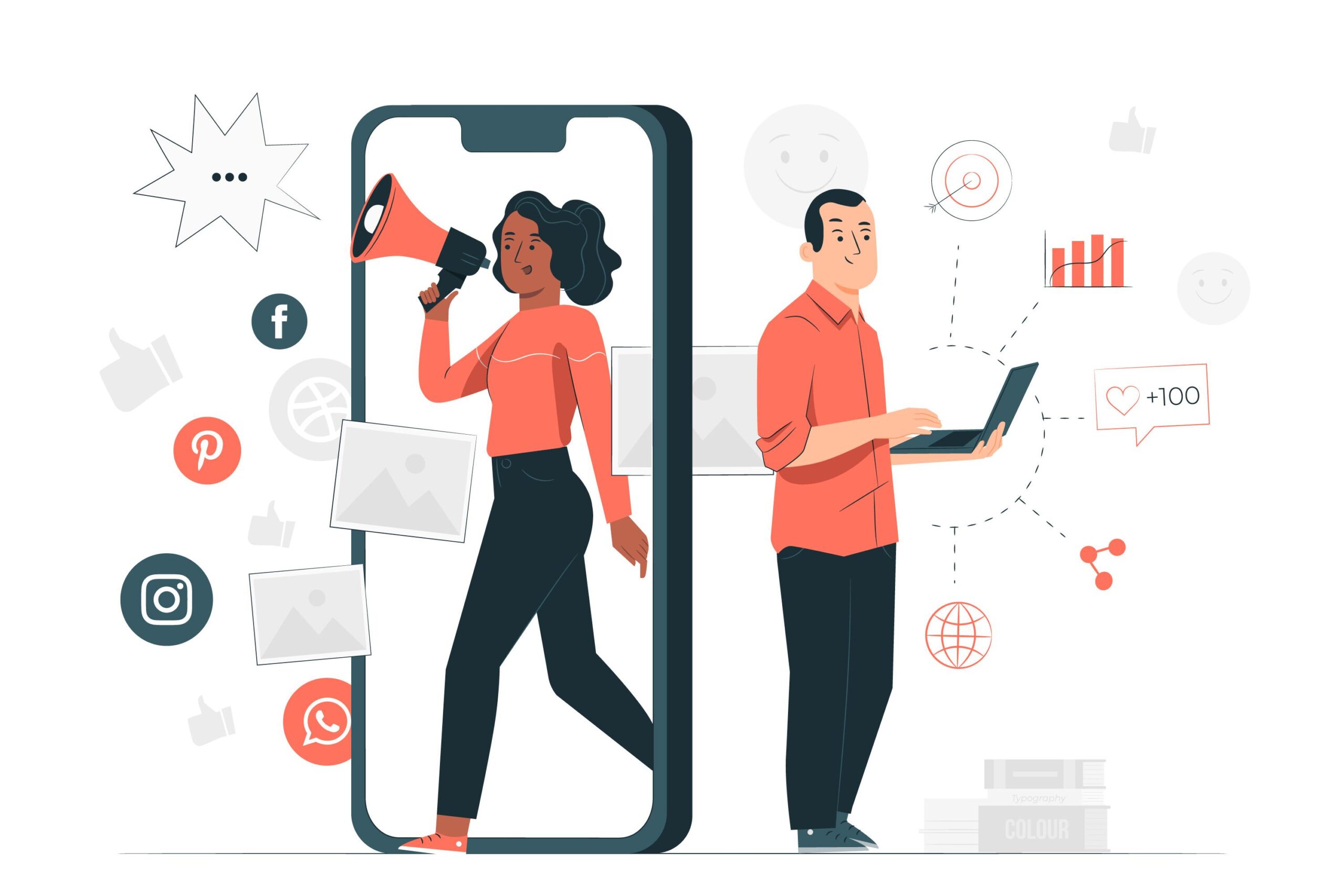
Social Media Marketing Made Easy
Checking out social media is the first thing we do in the morning. It is estimated that the number of global social media users is expected to reach almost 3.43 billion in 2023.


