
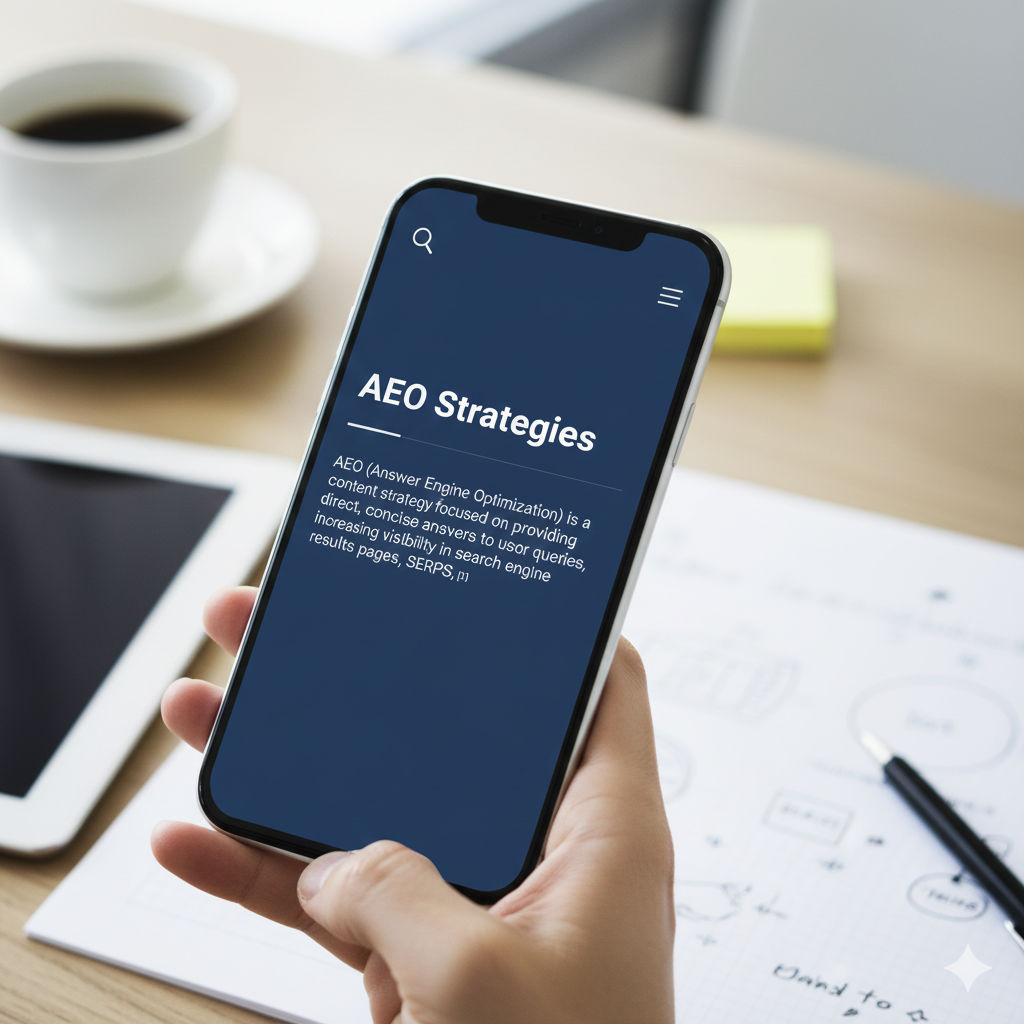
Answer Engine Optimization (AEO) is the critical process of preparing a website’s content to be the definitive source for AI-driven search engines. While traditional seo focuses on ranking a list of blue links on search engine results pages (SERPs), AEO aims for a “single source of truth.” It is the core seo strategy behind getting cited by AI platforms like ChatGPT, Perplexity, and Google’s AI overviews.
In the current landscape, the search bar has evolved into a dialogue box. Internet users no longer want to browse multiple web pages; they want to know the answer immediately.
AEO isn’t just about keyword research anymore. It is about natural language processing and machine comprehension. It involves adjusting your site structure so that Large Language Models (LLMs) can parse, verify, and relay information without the user needing to click through. This shift from traditional search engines to answer engines represents a fundamental change in how online visibility is measured.
While traditional seo asks, “How do we rank for this term?”, answer engine Optimization AEO asks, “How do we become the most trusted result for these user queries?” By focusing on content Optimization and factual accuracy, a brand moves from being a mere option in search results to being the authoritative voice cited by AI engines.
Why is the AEO Strategy for Websites Important for Search Engines?
The traditional metric of organic search traffic is no longer the sole indicator of success. Data suggests that nearly 70% of Google searches now resolve on the page without a single click. This “zero-click” user behaviour means that if a brand is not the answer provided by the AI search, it effectively disappears from the user’s journey.
AEO is critical for three primary reasons:
- Visibility in AI Overviews: AI search engines summarise information from across the web. To be featured, content must be “extraction-ready.”
- The Voice Search Standard: Voice assistants usually provide concise answers. AEO is the only way to ensure that “one answer” is your brand.
- Citations over Link Building: Being cited as a trusted source by an AI engine carries more weight than selling links. It is a direct endorsement of authority.
The shift is fundamental. Search engine Optimization seo was designed to drive discovery; answer engine Optimization is designed to drive decisions. Without a clear seo strategy, businesses risk losing organic traffic in the very places where the target audience is looking for clarity.
7 Ways to Optimise for Answer Engine Results and User Intent
The shift toward engine Optimization requires a technical pivot. It is no longer about matching keywords; it is about optimising content for machine understanding. To secure search engine rankings, a robust SEO plan must focus on structured data and a clean site structure.
1. Write Conversational Summaries that Address User Needs
AI search engines prioritise directness. Every high-value page should include a concise summary near the top that addresses search intent. This mirrors natural language processing patterns, answering “What is…” questions without filler. This increases the likelihood that search engines discover and cite your text.
2. Use LLM-Friendly Formatting for AI Search
LLMs thrive on organised web pages. Breaking information into bulleted lists and tables helps ai platforms parse the website’s visibility more efficiently. Avoid dense blocks that obscure the core facts.
3. Use Clear Subheadings to Improve Site Structure
Headers are the skeletal structure of content Optimization. Descriptive H2 and H3 tags allow search engines to index the hierarchy of information instantly. Each header should serve as a standalone signpost for search rankings.
4. Define Concepts Clearly to Help Search Engines Understand
Search engine Optimization in 2026 is “Entity-based.” Defining a concept and its relationships helps ai search engines build a knowledge graph around the brand. This establishes authority within the seo industry.
5. Align Structured Data with On-Page SEO
Structured data (Schema) is the hidden language that helps search engines understand your site. However, it must match the visible website’s content. Aligning FAQ schemas and expert bios builds algorithmic trust and improves your website’s search engine ranking.
6. Use Questions in Headers to Match User Queries
Users ask questions; answer engines find answers. Structuring subheadings as direct questions aligns with modern search behaviour. This creates a direct “handshake” between user intent and the search engine’s index.
7. Experiment with Text Fragment Identifiers
“Deep linking” is a major asset for technical seo. Text fragment identifiers allow search engines to link directly to a specific sentence. By optimising content for these fragments, you help ai engines pinpoint the exact information needed.
Common AEO Challenges and User Behaviour Shifts
Navigating search experience Optimization is not without friction. Moving away from traditional seo mindsets toward an integrated search marketing approach presents several hurdles.
- Conceptual Gaps: Many still treat this as seo basics, failing to realise that AI-generated answers prioritise context over simple keyword research.
- Platform Fragmentation: A strategy for Google’s AI overviews may not translate to other AI engines. Consistency across these “brains” is an ongoing technical seo challenge.
- Performance Tracking: With the rise of AI overviews, traditional metrics like CTR in Google Search Console are becoming less reliable. Success must be measured through brand mentions and referral traffic from AI sources.
Key Takeaways: SEO Strategy for the AI Era
- High-Quality Content is the primary currency. Search engines look for verifiable truth.
- Site Structure dictates visibility. User behaviour favours “machine-readable” layouts.
- Search Intent outweighs keywords. Optimising for answer engine Optimization AEO means answering the “Why” behind a query.
- Digital Marketing metrics must evolve. Success lies in “Share of Model” rather than just search engine results.
Summary - The Answer Engine Optimization Complete Guide
The rise of AEO represents the most significant change in the seo industry since the birth of the search engine. The brands that dominate the search results will be those that provide the most frictionless, high-quality content.
This guide highlights a fundamental truth: the search experience is getting shorter. Internet users no longer have the patience for relevant websites that don’t provide concise answers. Securing a place in an AI-driven search future requires a proactive pivot, using meta descriptions, core web vitals, and on-page seo to ensure your voice remains authoritative. The goal is no longer to just be a part of the search engine rankings. The goal is to be the answer.
Related Posts
December 20, 2025 Digital MarketingSocial Media Marketing
Why Hiring a Social Media Agency Can Grow Your Brand’s Online Presence
The internet has reached a point of absolute saturation. With millions of automated posts flooding social feeds every hour, the "noise floor" has never been higher. For most brand owners, organic reach...
December 19, 2025 Digital MarketingSocial Media Marketing
Why Every Brand Needs a Digital Marketing Agency Now in 2026
If you feel like your business is shouting into a vacuum lately, you’re not alone.By the start of 2026, the internet reached a tipping point. With AI tools generating millions of blog posts and social...


